

Malwa, located in the heart of Madhya Pradesh, India, is a historically significant and culturally rich region. Spanning over vast plains and picturesque landscapes, Malwa’s history dates back to ancient times, with evidence of its prominence found in archaeological sites and monuments scattered throughout the region. Its geographical location and fertile soils have made it an agricultural hub, contributing significantly to Madhya Pradesh’s agrarian economy. Malwa’s cultural heritage is equally vibrant, with traditional music, dance, and art forms being an integral part of the local identity. The region’s historical legacy is reflected in the majestic forts, palaces, and temples that stand as testimony to its glorious past. Moreover, Malwa boasts a diverse and welcoming community that cherishes its customs and traditions, making it a captivating destination for travelers seeking to immerse themselves in the essence of central India’s captivating heritage.
Embark on a transformative journey to Malwa with WeGoBond’s exclusive women’s travel tours. Discover the cultural riches of this central Indian region, filled with historical marvels and picturesque landscapes. From exploring UNESCO-listed sites like Mandu’s Afghan architecture to embracing the spiritual charm of Ujjain, the tour offers captivating cultural experiences. Feel safe and supported throughout the trip, creating lifelong connections with like-minded women. Experience empowerment, friendship, and personal growth on this unforgettable adventure with ladies tour packages. Book your spot at https://wegobond.com/ and let WeGoBond curate a once-in-a-lifetime women-only tour to Malwa, redefining your travel experiences.
The Allure of Malwa
 Malwa, a region nestled in the heart of India, holds an allure that beckons travelers with its captivating blend of cultural heritage, historical landmarks, and breathtaking natural beauty. Steeped in history dating back to ancient times, Malwa has been the seat of many powerful dynasties, leaving behind a legacy of architectural marvels and historical sites that continue to mesmerize visitors.
One of the most prominent attractions of Malwa is the ancient city of Mandu, a UNESCO World Heritage Site. Known for its Afghan architectural wonders, Mandu boasts grand palaces, intricate mosques, and beautifully designed gardens that harken back to the glory days of the Malwa Sultanate. Exploring majestic structures like the Jahaz Mahal, Hindola Mahal, and Jami Masjid evokes a sense of awe and wonder at the craftsmanship of yesteryears.
For those seeking a spiritual experience, Ujjain, another jewel in Malwa’s crown, awaits its profound religious significance. As one of the seven sacred cities for Hindus, Ujjain hosts the renowned Kumbh Mela festival, attracting millions of devotees. The city is also home to the Mahakaleshwar Temple, an ancient shrine dedicated to Lord Shiva, draws pilgrims from far and wide.
Beyond its historical and religious significance, Malwa’s landscapes are equally mesmerizing. The region is adorned with serene lakes, rolling hills, and lush greenery. The tranquil beauty of places like the Sagar Talab and the picturesque beauty of the Patalpani Waterfall provides a respite from bustling city life, allowing travelers to unwind and connect with nature.
Moreover, the warmth and hospitality of the locals add an extra layer of charm to the Malwa experience. The rich culture and traditions of the region come alive through folk performances, traditional dance forms like Garba and Kalbelia, and sumptuous local cuisine, making every interaction a delightful cultural exchange.
A journey to Malwa is not merely a sightseeing tour; it is an immersion into the soul of India. Its allure lies in its ability to transport travelers through time, connecting them with the grandeur of the past while embracing the natural beauty and cultural richness of the present. Whether you are a history enthusiast, a spiritual seeker, or a nature lover, Malwa promises an enriching and unforgettable experience that will leave a lasting impression on your heart and soul.
Magnificent Heritage Sites
Malwa, India, is a treasure trove of magnificent heritage sites that will transport you through time. Discover awe-inspiring historical landmarks as you explore this culturally rich region. Marvel at the exquisite Afghan architecture of Mandu, a UNESCO World Heritage Site, boasting grand palaces and intricate mosques. Experience the spiritual charm of Ujjain, an ancient city with sacred sites like the Mahakaleshwar Temple. Each step unveils the fascinating history and architectural brilliance of the past, leaving you captivated and enriched. Malwa’s heritage sites are a testament to the region’s glorious past and offer a truly captivating journey into India’s historical tapestry.
Captivating Cultural Experiences
 The Textile Industry in Malwa: Malwa, a region in central India, has a rich tradition in the textile industry, which dates back centuries. Known for its skilled artisans and vibrant fabrics, the textile sector plays a crucial role in the local economy and cultural heritage.
- Traditional Handloom and Weaving: The heart of Malwa’s textile industry lies in the traditional handloom and weaving practices. Artisans in the region have honed their skills over generations, passing down intricate techniques and designs. The use of handlooms ensures that each fabric is crafted with precision and attention to detail, resulting in unique and high-quality textiles.
- Chanderi and Maheshwari Fabrics: Two of the most famous textiles produced in Malwa are Chanderi and Maheshwari fabrics. Chanderi sarees and dress materials are renowned for their sheer texture, lightweight feel, and delicate zari work. Maheshwari fabrics are equally prized for their vibrant colors, distinctive patterns, and exquisite craftsmanship. These fabrics have gained popularity not only in India but also among international fashion enthusiasts.
- Empowering Local Artisans: The textile industry in Malwa plays a significant role in empowering local artisans, particularly women. Many women in the region are skilled weavers, and the textile sector provides them with an opportunity to earn a livelihood while preserving their traditional art forms.Organizations and cooperatives work to support these artisans, offering fair wages and promoting their products through various marketing initiatives.
- Cultural Significance: Textiles hold immense cultural significance in Malwa. They are an integral part of festivals, weddings, and other celebrations. Each fabric tells a story, representing the heritage and identity of the region. The rich colors, patterns, and motifs reflect the cultural diversity and artistic sensibilities of the people.
- Local Artisans and Handicrafts: In addition to textiles, Malwa is home to a vibrant community of local artisans skilled in various handicrafts. Pottery, metalwork, wood carving, and jewelry-making are among the traditional crafts practiced in the region. Artisanal products showcase intricate designs and reflect the artistic talents of these skilled craftsmen.
- Culinary Delights: Malwa’s rich cultural heritage also extends to its culinary traditions. The local food of Malwa is a delightful journey of flavors, blending spices, and unique techniques. From piquant snacks like poha, kachori, and bhutte ka kees to mouthwatering desserts like mawa-bati and malpua, the region’s cuisine is a treat for the taste buds. Malwa’s culinary offerings are heavily influenced by the use of spices, making it a paradise for food lovers who appreciate bold and tantalizing flavors. The region’s unique blend of vegetarian and non-vegetarian dishes caters to diverse palates.
Overall, the textile industry and local artisanal crafts, along with the rich culinary heritage of Malwa, are an essential part of the region’s identity. Preserving and promoting these traditions not only contributes to the local economy but also ensures the continuation of the cultural legacy for generations to come. Visitors to Malwa have the opportunity to witness the creativity and craftsmanship of its artisans, indulge in its vibrant textiles, and savor the delectable flavors that make the region truly remarkable.
Temples of Malwa
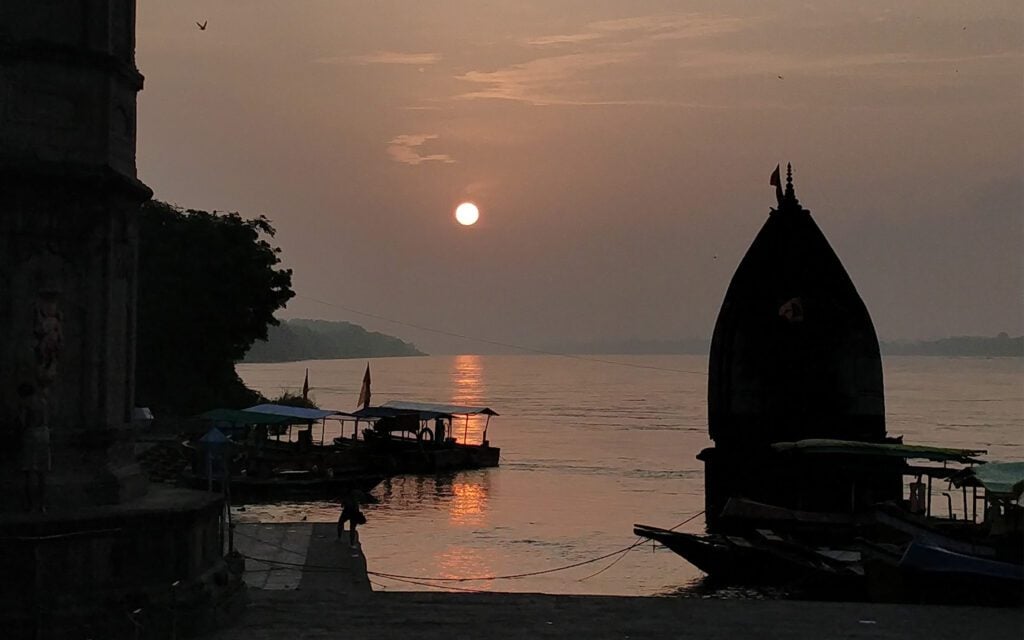 The temples of Malwa, India, stand as a magnificent testament to the region’s rich religious and architectural heritage. Malwa is dotted with ancient temples, each exuding a unique charm and spiritual significance. These sacred sites offer a glimpse into the region’s historical and cultural past, drawing pilgrims and history enthusiasts alike.
Ujjain, a significant pilgrimage center in Malwa, is home to the Mahakaleshwar Temple, one of the twelve Jyotirlingas dedicated to Lord Shiva. This grand temple is not only an architectural marvel but also holds immense spiritual importance for devotees who come to seek blessings and witness elaborate rituals.
Omkareshwar, situated on an island in the Narmada River, is another prominent temple in Malwa. The Omkareshwar Temple, dedicated to Lord Shiva, is revered for its unique and naturally formed lingam. Pilgrims undertake a parikrama (circumambulation) of the island to pay their respects and experience a sense of divine serenity.
The historic town of Mandu boasts the Jami Masjid, an imposing mosque built during the reign of the Malwa Sultanate. The fusion of Afghan and Indian architectural styles in this mosque adds to its grandeur and makes it an essential stop for history and architecture enthusiasts.
Other temples like the Bada Ganpati Temple in Indore, the Kaleshwar Temple in Rajgarh, and the Bhojeshwar Temple in Bhopal are equally revered and admired for their intricate designs and religious significance.
These temples of Malwa serve as a testament to the devotion and artistic brilliance of the people of the region. Whether you are seeking spiritual solace or exploring architectural wonders, the temples of Malwa offer a soul-stirring experience that leaves visitors in awe of India’s ancient cultural heritage.
Booking Your Malwa Adventure
Ready to embark on this empowering journey to Malwa? Head over to WeGoBond’s website at https://wegobond.com/ to find detailed information about the Malwa tour, itinerary, and booking options. Secure your spot and join a group of adventurous women on a life-changing travel experience that will leave you with unforgettable memories and a renewed sense of self.



 South Korea’s autumn season is a breathtaking spectacle that enchants locals and tourists alike. As summer fades away, the landscape transforms into a vibrant tapestry of colors, painting the mountains and parks with stunning hues of red, orange, and yellow. The crisp air carries a sense of anticipation as leaves gently fall, creating a picturesque scene. During this season, South Koreans celebrate the harvest with traditional festivals and enjoy outdoor activities such as hiking and picnicking. The beauty of autumn in South Korea is further enhanced by the country’s cultural heritage, with historic temples, palaces, and gardens providing a captivating backdrop to the season’s natural splendor.
 Whether it’s exploring the majestic mountains of Seoraksan or strolling through the serene pathways of Nami Island, South Korea’s autumn season provides a sensory feast for leaf peepers. The country’s diverse landscapes, rich cultural heritage, and vibrant colors come together to create an unforgettable experience that showcases the awe-inspiring beauty of nature. So, grab your camera, put on your hiking boots, and embark on a journey to witness the captivating fall foliage of South Korea.
 Firstly, Kangra is renowned for its awe-inspiring vistas that leave visitors spellbound. The snow-capped peaks of the Dhauladhar range provide a majestic backdrop, while lush green valleys and cascading waterfalls adorn the landscape, creating a truly idyllic setting. Nature lovers can embark on captivating hikes to witness panoramic views, including the mesmerizing sight of the Kangra Valley bathed in golden hues during sunset.
 For women seeking exhilarating experiences and the camaraderie of like-minded travelers, Kangra offers an array of adventure activities that cater specifically to women’s interests. With the rise of
  White Wate Rafting in the Beas River:

 A life-changing women’s journey awaits you when you traverse through Arunachal Pradesh, as you uncover the hidden gems of this captivating state in northeastern India. Arunachal Pradesh is a land of incredible beauty, diverse cultures, and awe-inspiring landscapes. This exclusive women’s tour allows you to delve into the heart of this enchanting region, soaking yourself in its rich heritage and forging connections with local communities.
 Dibrugarh, located in the northeastern state of Assam, is a charming city known as the “Tea City of India.” Surrounded by lush green tea gardens and the mighty Brahmaputra River, Dibrugarh offers a serene and scenic setting. Home to some of the finest tea estates in the region, the city provides an opportunity to explore the tea culture and indulge in a refreshing cup of Assam tea. With its colonial-era architecture, vibrant markets, and rich cultural heritage, Dibrugarh offers a delightful blend of history, nature, and culinary delights, making it a must-visit destination in Assam. But this is just the beginning, as a more breathtaking place awaits you.
 Since the conservation of Kenya’s wildlife has been at the forefront of the country’s agenda, with a range of initiatives aimed at protecting and preserving its precious natural heritage, one key approach has been the establishment of national parks and reserves, such as the Maasai Mara, Amboseli, and Tsavo, which provide protected habitats for a wide variety of wildlife species. These areas serve as crucial havens for endangered animals, offering them safe spaces to roam, breed, and thrive. Additionally, Kenya has implemented stringent anti-poaching measures to combat the illegal wildlife trade, including the deployment of highly trained rangers and the use of modern technology like drones and GPS tracking devices. These efforts have yielded significant results, with a decline in poaching incidents and an increase in the populations of endangered species, such as elephants and rhinos. Furthermore, community-based conservation initiatives have played a pivotal role in engaging local communities in wildlife conservation, recognizing their dependence on natural resources and involving them as custodians of their surroundings. By providing alternative livelihoods, and education, and raising awareness about the importance of wildlife, these initiatives have fostered a sense of ownership and pride among communities, leading to a reduction in human-wildlife conflicts and a more significant commitment to conservation. Overall, the collective efforts on conserving Kenya’s wildlife demonstrate a dedicated commitment to preserving the country’s natural treasures and ensuring a sustainable future for both wildlife and people.
 In conclusion, India has emerged as a remarkable destination for solo women travelers, offering a plethora of experiences that celebrate independence and discovery. The country’s diverse landscapes, rich history, and vibrant culture make it an ideal choice for women seeking transformative journeys. Whether one desires to unwind on the serene beaches of Kerala, immerse in the spiritual realm of Varanasi, or explore the majestic architecture of Madhya Pradesh, India has something to offer for every adventurous soul.
 Start your journey by exploring the diverse and vibrant countries of Southeast Asia. From the ancient temples of Angkor Wat in Cambodia to the bustling streets of Bangkok, Thailand, and the stunning beaches of Bali, Indonesia, this region offers a kaleidoscope of cultures, flavors, and natural beauty.
 Experience the magic of an African safari by visiting Tanzania’s Serengeti National Park and Ngorongoro Crater. Witness the Great Migration as millions of wildebeest traverse the plains, spot the Big Five, and marvel at the stunning landscapes teeming with wildlife.
 Bastar is an adventure traveler’s paradise. The region is home to several waterfalls, dense forests, and wildlife sanctuaries, making it an ideal destination for trekking, camping, and wildlife safaris. The Kanger Valley National Park is a must-visit destination for adventure lovers. The park is home to several endangered species like the Bengal Tiger, leopards, and wild elephants. You can take a safari through the park and spot these magnificent animals in their natural habitat.
 A women’s adventure trip to Bastar is an experience like no other. The region’s pristine forests, rich cultural heritage, and warm hospitality make it an ideal destination for female travelers. The tribes in Bastar have a unique way of life, and their customs and traditions are fascinating. The region is known for its colorful dance forms, music, and handicrafts. You can witness these cultural performances and even participate in them, learning about the local traditions firsthand.
 The hidden valleys of Himachal are listed below, so you may add them to your list while planning your trip there. Himachal is full of hidden valleys that you may have never heard about.
 There are many activities that you can try in Himachal, including the following: